Spotlight: Tramway, Solange Pessoa, and material afterlives
Posted on March 4, 2026
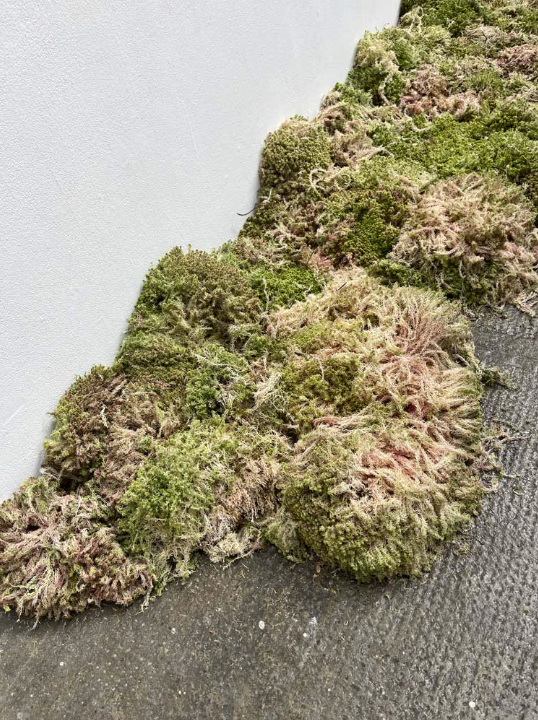
Sphagnum moss detail from Solange Pessoa's Pilgrim Fields, Tramway 2025
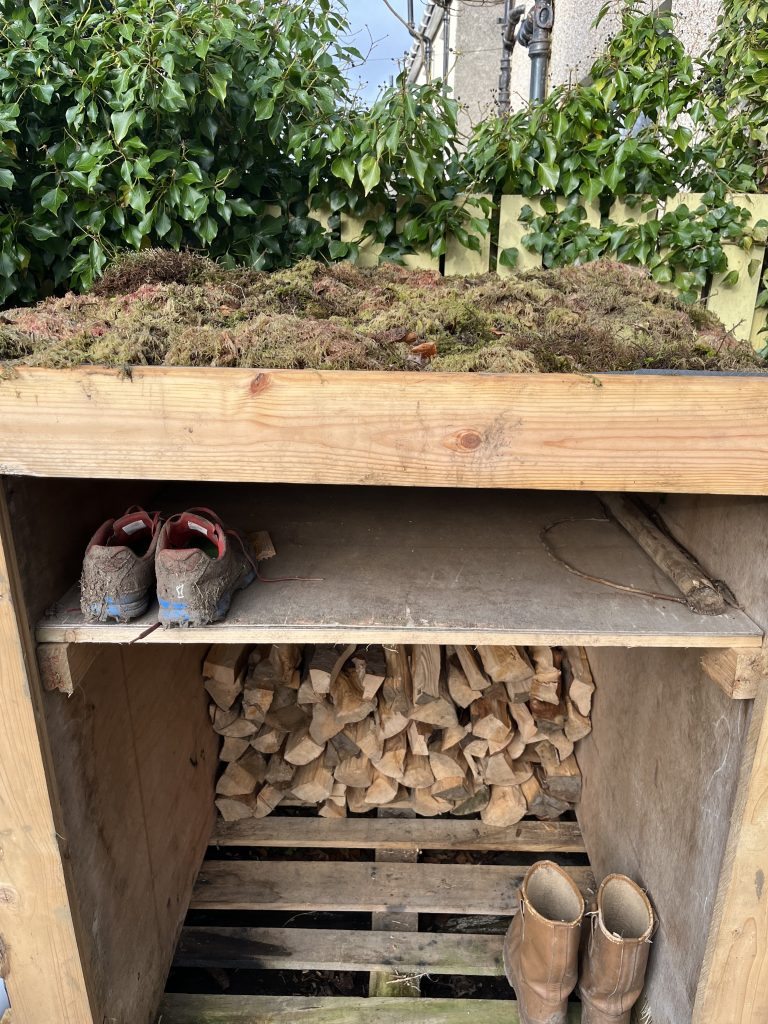
The same sphagnum moss reused as a green roof.
Solange Pessoa’s recent exhibition Pilgrim Fields at Tramway offers a compelling example of how circular thinking can be embedded within artistic practice and supported at an institutional level.
Solange Pessoa is an internationally recognised Brazilian artist whose work engages deeply with materiality, landscape, ritual, and bodily experience. Working across sculpture and installation, her practice is known for its sustained use of organic and elemental materials, often returning to questions of transformation, labour, and the passage of time.
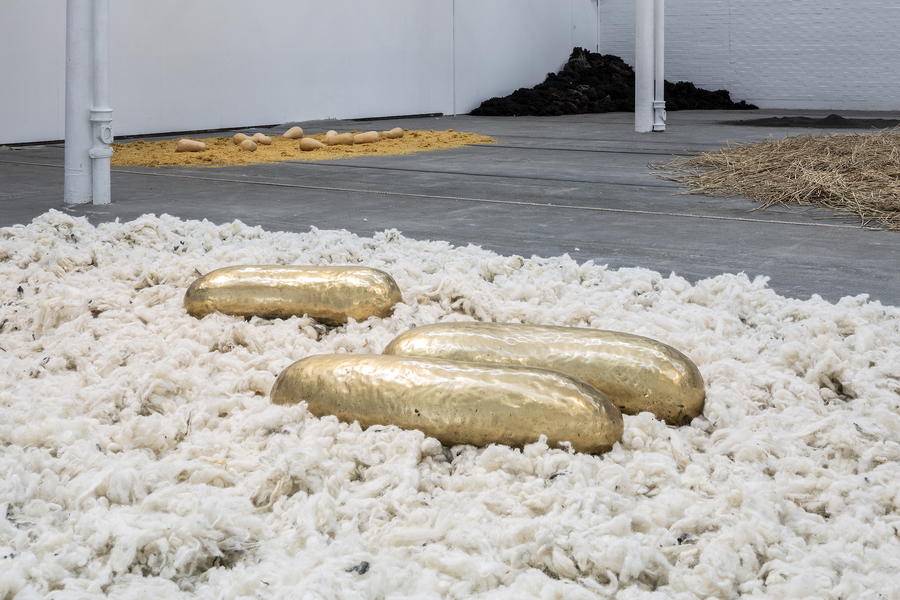
Following the close of Pilgrim Fields, Tramway listed a substantial volume of exhibition materials on CAN, including sphagnum moss, raw sheep’s wool, and other natural and structural elements. Making these materials available for reuse reflects not only Tramway’s commitment to circular working, but also the way Pessoa’s practice already resists single-use production. The materials are not treated as expendable, but as active agents with ongoing potential beyond the exhibition context.
Solange Pessoa, Pilgrim Fields, Tramway, 2025
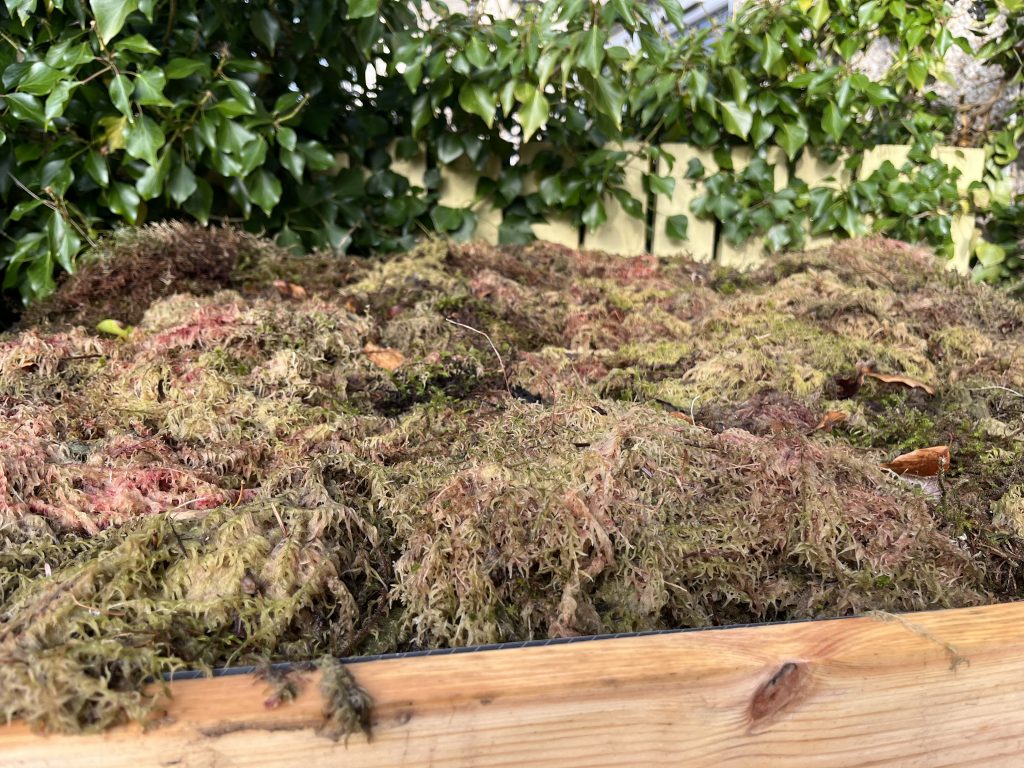
Sphagnum moss from Pessoa's Pilgrim Fields reused as a green roof.
One of the materials, sphagnum moss, was subsequently reused by artist Claire Shallcross as part of a green roof (living roof) intervention on an outdoor storage unit. By repurposing the moss in this way, the material moved from exhibition display into an ecological application, supporting biodiversity, moisture retention, and microhabitat creation. The reuse extended the life of the material while shifting its function from sculptural context to environmental infrastructure.
This kind of approach demonstrates how circularity can sit comfortably within ambitious, large-scale contemporary practice as an extension of how work is conceived, realised, and responsibly unwound. Needless to say, all the materials were snapped up by CAN users within a few days.